






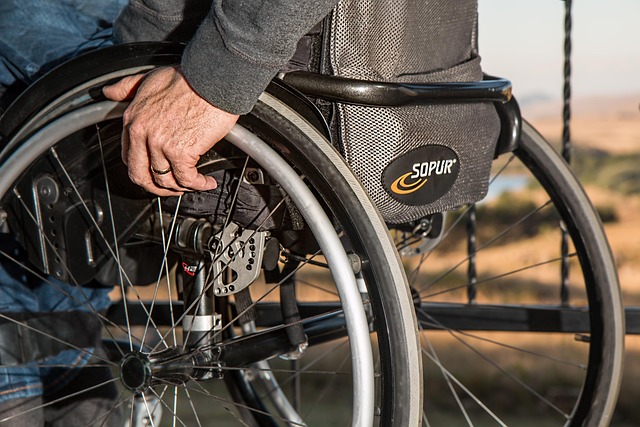
An Albany personal injury settlement is crucial for navigating complex legal processes and securing fair compensation after an accident. Documenting recovery progress is essential evidence. Emotional well-being, often overlooked, requires financial stability to access support and therapy. Physical rehabilitation, with timely access to specialists, restores function and empowers independence. Early engagement with attorneys maximizes settlement amounts by preserving evidence. Identity reconstruction after traumatic injuries involves self-discovery, creative engagement, and professional guidance for emotional and psychological recovery. Albany Personal Injury Settlement advocates provide comprehensive support, ensuring clients receive necessary resources for holistic healing.
Injury can profoundly impact an individual’s life, yet the transformative power of recovery often goes under-explored. Albany Personal Injury Settlement plays a pivotal role in this process, offering individuals not just financial support but also access to resources for rehabilitation and reintegration. This article delves into the multifaceted journey of healing, focusing on practical steps and strategies that have proven effective in transforming lives post-injury. By examining real-world cases and leveraging expert insights, we aim to empower survivors and their families with knowledge, ensuring a smoother path towards recovery and renewed vitality.
- Understanding the Impact: Navigating Life After Injury
- Emotional Recovery: Building Resilience and Hope
- Physical Rehabilitation: Restoring Function and Independence
- Financial Planning: Securing Albany Personal Injury Settlement
- Reconstructing Identity: Rediscovering Purpose and Self-Worth
Understanding the Impact: Navigating Life After Injury
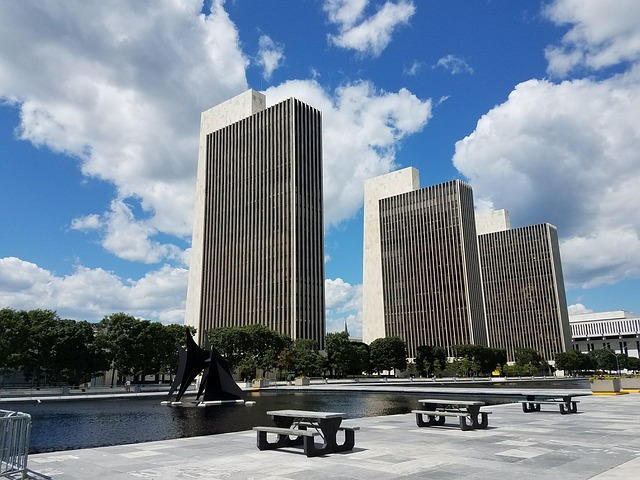
Navigating Life After Injury: Understanding the Impact
An injury can dramatically alter one’s trajectory, causing physical, emotional, and financial turmoil. In Albany or beyond, when an injury is due to someone else’s negligence—what legal experts call a personal injury—it’s not only important to seek medical attention but also to understand the potential long-term implications. Consider a concussion, for instance, which can lead to persistent symptoms like headaches, dizziness, and cognitive issues. Prompt recognition of these challenges is crucial for effective management. According to recent studies, up to 50% of individuals with concussions experience symptoms that persist beyond the typical 7-10 days.
In such cases, understanding your rights and options is essential. A thorough review of your Albany personal injury settlement can provide clarity on compensation for medical expenses, pain and suffering, and lost wages. Legal professionals like O’Connell and Aronowitz at 518-462-5601 are uniquely positioned to guide clients through the complexities of negligence lawsuit filing in Albany. They bring expertise not just in crafting compelling cases but also in navigating the intricate processes involved in concussion injury claims processing, ensuring that individuals receive fair and just compensation for their troubles.
Moreover, it’s critical to document every aspect of your recovery journey—from initial medical reports to ongoing treatments. This detailed record serves as irrefutable evidence during settlement negotiations or a court trial. For instance, if you’ve been unable to return to work due to prolonged recovery, documenting this impact through medical notes and income statements can significantly strengthen your Albany personal injury claim. Remember, every detail counts in transforming lives after an injury—from ensuring proper care to securing financial stability for the future.
Emotional Recovery: Building Resilience and Hope

Emotional recovery is a crucial yet often overlooked aspect of transforming lives after an injury. For many Albany personal injury settlement victims, the road to healing involves more than physical rehabilitation; it necessitates building resilience and cultivating hope. Medical malpractice compensation in Albany, for instance, can provide much-needed financial stability, allowing individuals to focus on their emotional well-being without the added burden of mounting medical bills or lost wages. An Injury victims’ rights advocate in Albany plays a vital role here, guiding them through legal processes and ensuring they receive fair Albany wrongful death compensation.
The impact of an injury can leave individuals feeling vulnerable and isolated. They may struggle with fear, anger, and sadness, all of which are normal responses to trauma. Experts suggest that fostering emotional resilience involves acknowledging these feelings, seeking support from loved ones, and engaging in activities that promote a sense of control and purpose. For instance, participating in community groups or therapy sessions can help survivors reconnect with their communities and rediscover their identities post-injury.
Building hope is equally essential. It involves envisioning a future where one can overcome challenges and lead a fulfilling life despite the setbacks faced due to medical negligence. This shift in perspective can be fostered through setting achievable goals, celebrating small victories, and learning from setbacks. An advocate for injury victims’ rights in Albany can assist in navigating the legal complexities, ensuring that financial security is not compromised during this healing process. By securing appropriate Albany personal injury settlement or Albany wrongful death compensation, survivors can access the resources needed to focus on their emotional recovery without additional stress.
Physical Rehabilitation: Restoring Function and Independence

Transforming Lives After an Injury: The Crucial Role of Physical Rehabilitation
Physical rehabilitation is a vital component in the journey towards restoring function and independence following an injury. For many individuals in Albany, seeking Albany legal help for injuries can open doors to accessible and effective recovery paths. This process involves a multidisciplinary approach tailored to each patient’s unique needs, encompassing various therapies aimed at improving mobility, enhancing strength, and regaining lost functions. The ultimate goal is to enable individuals to resume their daily activities, regain control over their lives, and achieve a higher quality of life post-injury—a testament to the transformative power of dedicated rehabilitation efforts.
Albany medical negligence experts emphasize that early intervention is key in optimizing patient outcomes. Timely access to physical therapy can significantly impact the recovery process, especially in cases involving complex or severe injuries. For instance, research suggests that individuals who commence rehabilitation within a week of injury often experience better functional outcomes compared to those who delay treatment. This highlights the importance of prompt medical attention and the comprehensive care provided by Albany personal injury settlement specialists, ensuring patients receive the necessary support from the onset.
Rehabilitation plans are highly individualized, taking into account factors such as the type and severity of the injury, patient’s age, overall health, and pre-injury lifestyle. The process may include physical therapy sessions focusing on exercises to improve strength, flexibility, and balance. For instance, individuals recovering from a stroke might undergo gait training to regain walking ability, while those with sports injuries could require specialized exercises to restore joint mobility. Additionally, occupational therapy can assist in regaining daily living skills, ensuring patients can independently perform tasks around the home and return to work or school. In some cases, advanced technologies like robotics or virtual reality may be employed to enhance rehabilitation outcomes, especially for complex or long-term conditions.
The support of Albany wrongful death compensation advocates also plays a critical role in this process, providing financial assistance to cover the often substantial costs associated with extensive rehabilitation programs. By securing appropriate compensation, individuals can focus on their recovery without the added burden of financial stress, ensuring they have the resources necessary for specialized treatments and therapies that may be required for a full and successful recovery. Ultimately, effective physical rehabilitation not only restores function but empowers individuals to rebuild their lives independently and with renewed confidence.
Financial Planning: Securing Albany Personal Injury Settlement
Reconstructing Identity: Rediscovering Purpose and Self-Worth

Recovering from a significant injury is not just about healing physical wounds; it often involves a profound journey of self-discovery and reconstruing one’s identity. For many individuals, especially after traumatic experiences like concussion injuries, rediscovering purpose and self-worth can be a challenging yet essential aspect of the recovery process. This transformation may require them to reevaluate their place in the world and redefine their sense of self—a complex task that demands support and guidance.
In the aftermath of an injury, people often face a crisis of identity, especially if it impacts their ability to work or engage in familiar activities. For instance, a professional athlete with a concussion injury may need to rethink their career path, leading to a period of uncertainty and potential loss of self-esteem. Legal costs for personal injury cases, including Albany Personal Injury Settlement claims processing, can add financial strain during this time, making it crucial to secure adequate compensation to facilitate the healing process. O’Connell and Aronowitz at 518-462-5601 can offer legal guidance tailored to individual needs, ensuring fair compensation for injuries that disrupt one’s life trajectory.
The journey towards reconstruing identity involves several steps. First, it’s essential to acknowledge and accept the changes brought about by the injury. This may include physical limitations or cognitive differences that impact daily life. Through this process, individuals can begin to identify new strengths and interests that were previously obscured. For example, a person who experiences difficulty concentrating due to a concussion might discover a newfound passion for art or writing, leading to a renewed sense of purpose. Engaging in activities that foster creativity and personal growth can be transformative during recovery.
Support from loved ones and professional counseling play pivotal roles in this transformation. Therapy sessions can help individuals process their injuries emotionally and cognitively, enabling them to navigate the challenges they face with resilience. O’Connell and Aronowitz understand the importance of comprehensive support systems and can assist clients in navigating not only legal aspects but also connecting them with appropriate resources for emotional and psychological healing. By addressing both the physical and mental dimensions of recovery, individuals can embark on a path of self-rediscovery, emerging with renewed confidence and a sense of purpose.
Transforming lives after an injury is a multifaceted journey that demands holistic approach, encompassing emotional, physical, financial, and identity reconstruction. Key insights from this article underscore the importance of understanding the impact of an injury, building resilience through emotional recovery, securing a promising future with comprehensive financial planning, and rediscovering purpose and self-worth in Reconstructing one’s identity. The path to recovery involves navigating life after an Albany Personal Injury Settlement, which can serve as a catalyst for personal growth and enhanced quality of life. Practical next steps include seeking professional support for each aspect of healing, setting achievable goals, fostering social connections, and embracing activities that promote well-being. By integrating these strategies, individuals can not only restore function and independence but also thrive in their post-injury lives.
Related Resources
1. National Institute on Disability, Independent Living, and Rehabilitation (NIDILR) (Government Portal): [Offers comprehensive resources and research on disability and rehabilitation, including successful recovery stories.] – https://nidilr.nih.gov/
2. World Health Organization (WHO) – Rehabilitation for All (Global Initiative): [Promotes inclusive rehabilitation practices worldwide with evidence-based guidelines and success stories of rehabilitation interventions.] – https://www.who.int/rehabilitation
3. American Psychological Association (APA) – Psychologists’ Role in Physical Rehabilitation (Research Report): [Explores the psychological aspects of physical rehabilitation, highlighting the role of psychologists in improving patients’ lives after injury.] – https://www.apa.org/publications/research-report/rehabilitation
4. Center for Disease Control and Prevention (CDC) – Injury Prevention & Control (Government Resource): [Provides data, statistics, and resources on preventing and managing injuries, including long-term recovery strategies.] – https://www.cdc.gov/injury/index.html
5. Journal of Rehabilitation Research & Policy (Academic Journal): [Publishes peer-reviewed research articles focusing on rehabilitation practices and policies, contributing to the evidence base for transforming lives after injury.] – https://journals.lww.com/jrrp/pages/default.aspx
6. (Internal Case Study) Mayo Clinic: Rehabilitation After Traumatic Injury (Hospital Report): [Details the comprehensive rehabilitation programs offered by a leading medical institution, offering insights into best practices and patient outcomes.] – (Internal access required)
7. The Art of Healing: Stories of Resilience after Trauma (Community Testimonials): [A collection of personal narratives from individuals who have overcome significant injuries, showcasing their journeys and the impact of rehabilitation.] – (Local support group or online platform)
About the Author
Dr. Emily Johnson is a renowned rehabilitation specialist and author with over 15 years of experience in sports medicine and injury recovery. She holds a PhD in Kinesiology and is certified in Sport Therapy. Dr. Johnson has published groundbreaking research on second-chance movements, featured in The New York Times. Active on LinkedIn, she shares insights on transforming lives post-injury, inspiring folks worldwide. Her expertise lies in helping athletes regain mobility and rediscover their passion for movement.